
Additional information
| weight | 500.gm, 1-kg, 2-kg |
|---|

Price range: ₹15.00 through ₹60.00
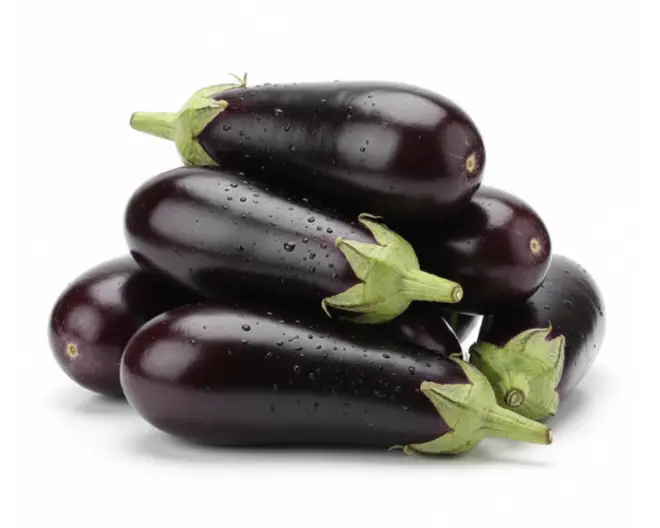
Fresh, tender brinjals ideal for curries,
| weight | 500.gm, 1-kg, 2-kg |
|---|
Physical Characteristics
The Brinjal (Solanum melongena) comes in a remarkable variety of shapes, sizes, and colors. While the most common type is egg-shaped and dark purple, other varieties can be long and slender, round, or even white, green, and striped. The skin is smooth and shiny, covering a creamy-white or pale green interior with a spongy texture.
Culinary Profile
Brinjal is unique because of its mild, slightly smoky, and earthy flavor.
Texture: When raw, it is firm and somewhat bitter. However, once cooked, it becomes soft and tender, making it an excellent meat substitute in vegetarian dishes.
Versatility: It can be grilled, roasted, fried, sautéed, or mashed (as seen in the famous Indian dish, Baingan Bharta). Because of its spongy structure, it acts like a sponge, soaking up spices, oils, and sauces beautifully.
Nutritional Value
It is a low-calorie vegetable that is rich in fiber, making it great for digestion and weight management. It contains:
Antioxidants: Specifically nasunin, found in the purple skin, which helps protect brain cells.
Vitamins & Minerals: A good source of Vitamin C, K, B6, and potassium.
Agricultural Importance
Brinjal is a hardy crop that thrives in tropical and subtropical climates. It requires plenty of sunlight and well-drained soil. In India, it is often referred to as the “King of Vegetables” due to its cultural significance and year-round availability. begun, bagun, বাগুন

Reviews
There are no reviews yet.